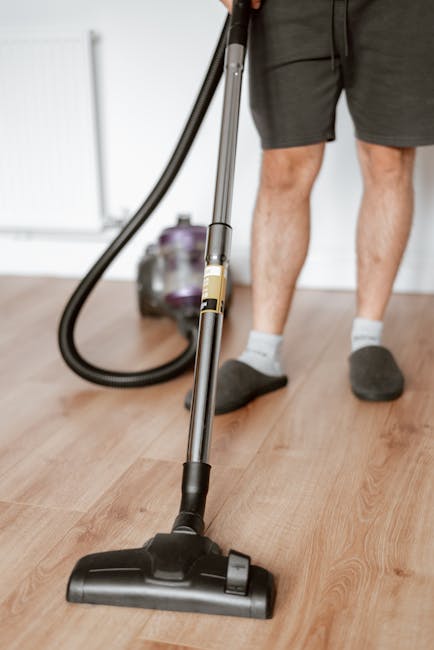
Common carpet cleaning mistakes to avoid in Colliers Wood
If you have ever scrubbed a carpet in a hurry and then wondered why the stain came back, you are not alone. Carpet cleaning looks simple from the outside, but the little mistakes are often what leave fibres dull, sticky, or worse, permanently marked. In Colliers Wood, where homes, flats, rental properties, and busy communal spaces all see plenty of footfall, knowing the common carpet cleaning mistakes to avoid in Colliers Wood can save time, money, and a fair bit of frustration.
This guide breaks down what goes wrong, why it matters, and how to clean more confidently without damaging your carpet. You will also find practical steps, a checklist, a comparison table, and a few local-minded tips that make sense in real life, not just on paper. Let's face it: nobody wants to spend a Saturday afternoon making a carpet look "clean" only to have it smell odd by Monday morning.
Why Common carpet cleaning mistakes to avoid in Colliers Wood Matters
Colliers Wood has a mix of family homes, rental flats, converted properties, and commercial premises, so carpets get used differently from one place to the next. A hallway carpet in a busy flat near the station will face a different kind of wear from a lounge carpet that mostly sees soft shoes and the occasional muddy pawprint. That is exactly why one-size-fits-all cleaning can go wrong.
The biggest problem with carpet cleaning mistakes is that they are not always obvious straight away. A carpet can look fine when it is damp, then show browning, residue, reappearing stains, or flattened fibres later. In some cases, over-wetting can even lead to lingering smells or mould risk if the carpet and underlay stay damp for too long. Not ideal, obviously.
Another reason this matters locally is practical rather than dramatic. Many Colliers Wood homes and rentals need carpets to dry quickly because life does not stop while the floor dries. Children still need the hallway, tenants still need to move furniture back, and offices or communal areas cannot be out of action all day. Good technique helps avoid disruption, and that counts for a lot.
Expert summary: Most carpet problems after cleaning are caused less by "dirty carpet" and more by poor process: using too much water, the wrong product, the wrong tool, or not allowing enough drying time. Get those basics right, and the results improve fast.
How Common carpet cleaning mistakes to avoid in Colliers Wood Works
Good carpet cleaning is really a sequence of controlled steps. First, you remove loose soil. Then you treat spots and stains carefully. After that, you clean with the right amount of solution and moisture for the carpet type, and finish by extracting as much water and residue as possible. The final stage is drying, which is where many people get impatient and rush the whole thing.
The process sounds simple, but carpets are layered materials. The visible pile is only part of the story. Beneath it there may be backing, adhesive, underlay, and in some cases a history of old spills nobody remembers. That is why aggressive scrubbing on the surface can still leave a stain below, or worse, push it deeper.
Professional-grade services such as carpet cleaning and steam carpet cleaning usually focus on matching the method to the fibre, the soil level, and the stain type. Home cleaning should follow the same logic, even if the equipment is simpler.
A sensible way to think about it is this: cleaning removes dirt, but handling removes mistakes. The cleaning chemistry matters, but so does the touch. Too much pressure, too much liquid, or too much confidence with a tricky stain can undo the job in seconds.
Key Benefits and Practical Advantages
Avoiding common mistakes does more than improve appearance. It helps carpets last longer, smell fresher, and feel better underfoot. That soft, even texture you notice when a carpet has been cleaned properly? That is usually the result of restraint as much as effort.
- Longer carpet life: Fibres are less likely to fray, mat down, or lose colour.
- Better stain control: Spills are treated correctly before they set permanently.
- Faster drying: Less moisture means less disruption and less risk of damp-related issues.
- Improved indoor comfort: Carpets feel cleaner, smell fresher, and trap less dust.
- Better results for tenants and landlords: Important during end of tenancy cleaning and move-ins.
- Less wasted product: You use the right amount, not half the bottle.
There is also a practical money-saving angle. A lot of carpet damage happens because someone tries to "fix" a stain three times with the wrong method. That usually costs more in the end than doing it carefully once. Truth be told, carpet cleaning rewards patience.
Who This Is For and When It Makes Sense
This guide is for anyone in Colliers Wood who wants better carpet results without making avoidable errors. That includes homeowners, tenants, landlords, letting agents, office managers, and anyone looking after shared areas. It also helps if you are preparing for guests, a move, or a seasonal deep clean.
You will find it especially useful if:
- you have spotted recurring stains that keep resurfacing;
- your carpet still smells damp after cleaning;
- you are unsure whether to use a machine, a spray, or a dry method;
- you need carpets to dry quickly in a busy household;
- you are cleaning wool, synthetic, or mixed-fibre carpets and do not want to guess;
- you are handling pet accidents or older spill marks that need proper treatment.
If you are comparing professional support too, service pages such as deep cleaning, stain removal, or pet stain odour removal can be useful starting points. Sometimes the right answer is not "clean harder"; it is "clean smarter."
Step-by-Step Guidance
Here is a practical, no-nonsense way to clean carpets while avoiding the most common errors. You do not need fancy language for this. You need a clear sequence and a bit of discipline.
- Identify the carpet type. Wool, synthetic, and blended carpets react differently to moisture and chemicals. If you are not sure, test cautiously and keep things gentle.
- Vacuum thoroughly first. Dry soil acts like sandpaper when it gets wet. Skipping this step makes the actual cleaning less effective.
- Spot-test any product. Pick a hidden area and check for colour change or fibre damage before treating a visible section.
- Treat stains, do not attack them. Blot, lift, and work from the outside in. Rubbing tends to spread the mess.
- Use the right amount of solution. More cleaner is not better. It can leave residue that attracts dirt later.
- Extract or rinse properly. If you clean with liquid, remove as much as possible afterwards so the carpet does not stay sticky or damp.
- Dry with airflow. Open windows if conditions allow, use fans where appropriate, and keep foot traffic off the carpet until it is properly dry.
- Check the result after drying. Some stains reappear only after the carpet dries. If that happens, re-treat carefully rather than scrubbing in a panic.
A small but useful habit: work in sections. It keeps you from losing track of what has been treated, especially in larger rooms or awkward layouts. And if a room has lots of furniture, half the battle is just moving things in a sensible order. Little things, but they matter.
Expert Tips for Better Results
There are a few habits that consistently improve carpet cleaning outcomes. They are not glamorous, but they work.
1. Blot first, always
If a spill is fresh, blot with a clean white cloth or paper towel before anything else. Press gently. Do not scrub. Rubbing drives the stain deeper and can rough up the pile.
2. Keep water under control
One of the biggest mistakes is over-wetting. A carpet should be cleaned, not flooded. Excess moisture can lead to slow drying and odd smells, especially in cooler Colliers Wood homes where airflow may be limited.
3. Use neutral, carpet-safe products where possible
Harsh cleaners can strip dye, damage fibres, or leave sticky residue. Mild, carpet-safe products are often more effective than aggressive alternatives because they work with the material rather than against it.
4. Mind the fibre direction
After cleaning, brush the pile lightly in the same direction where suitable. It helps the carpet dry more evenly and look neater. Small detail, big difference.
5. Deal with odours separately
Odour and visible staining are not always the same problem. A carpet can look clean but still smell unpleasant if the source has reached the underlay. That is where pet stain odour removal or a deeper treatment may be needed.
6. Know when to stop
If a stain is not improving after careful treatment, stepping away is often wiser than escalating. Repeated aggressive attempts can make the mark permanent. Better to pause, reassess, and choose the right method than keep going because you have already started. Happens to everyone.
Common Mistakes to Avoid
This is the core of the topic. Some mistakes are obvious once you know them, but they are still incredibly common in real homes and rental properties.
Using too much water
Over-wetting is probably the most common issue. It can cause extended drying times, residue, browning, and moisture reaching the underlay. If the carpet feels soggy for hours, that is a warning sign, not a success story.
Rubbing stains aggressively
Scrubbing can spread the stain and damage fibres. It may also cause the pile to look fuzzy or worn. Blotting and gentle agitation are usually safer.
Using the wrong cleaner on the wrong fibre
Wool carpets, in particular, need care. A cleaner that works on one carpet may be too harsh for another. Always check compatibility. Guessing is expensive.
Skipping vacuuming before wet cleaning
If loose soil stays in the carpet, it mixes with moisture and turns into grime. This reduces cleaning effectiveness and can make the carpet look dull once dry.
Not testing products first
Spot testing feels tedious, yes, but it can save a carpet from colour loss or patchy marks. Hidden corners exist for a reason. Use them.
Letting stains sit too long
The longer a spill remains, the more likely it is to bond with fibres or seep below the surface. Immediate action is always easier than rescue work later.
Using too much detergent
Excess detergent leaves residue that grabs dust and makes carpets re-soil quickly. That's why a carpet can seem cleaner for a day or two, then look worse again. It is one of the more frustrating mistakes because it feels like progress at first.
Ignoring drying time
Walking on a damp carpet, replacing furniture too soon, or closing windows in a stuffy room can all slow the process and mark the finish. Drying is part of cleaning, not an optional extra.
Forgetting to lift furniture carefully
Dragging furniture across damp carpet can leave tracks, stretch the fibres, or transfer dirt back onto the cleaned area. Use sliders or lift when possible.
Assuming every stain is the same
Coffee, mud, oil, pet accidents, and food spills all behave differently. A one-method-fits-all approach often gives weak results. Understanding the type of stain is half the battle.
Trying to clean delicate carpets like hard floors
Carpets need a lighter touch than people think. Aggressive tools used on rugs or upholstery may be completely wrong for fitted carpet. If you need related support for other soft furnishings, rug cleaning and upholstery cleaning follow a similar care-first mindset.
Tools, Resources and Recommendations
You do not need a warehouse of kit, but a few sensible tools make a big difference. Think practical, not impressive.
- Vacuum cleaner with decent suction: Essential for dry soil removal before and after cleaning.
- Clean white cloths: Best for blotting spills and spotting colour transfer.
- Soft brush: Useful for gentle agitation without damaging the pile.
- Carpet-safe cleaning solution: Choose one suited to the carpet fibre and stain type.
- Fans or open windows: Helps speed up drying where conditions permit.
- Protective gloves: Good practice when using any cleaning chemical for extended periods.
For people comparing service options, it can help to think in terms of the situation rather than the product name. For example, heavy dirt from a renovation may point you towards after builders cleaning, while a turnover between occupants may fit move out cleaning or move in cleaning. Different mess, different approach.
If you are looking at wider property care, carpets are often only one part of the job. A home with stained stairs, a tired sofa, and dusty curtains often benefits from joined-up cleaning rather than isolated spot fixes. The whole room feels better that way, oddly enough.
Law, Compliance, Standards, or Best Practice
Carpet cleaning is usually not heavily regulated in the way some trades are, but that does not mean standards do not matter. In the UK, basic duties around safety, product use, and honest service still apply, especially in homes, rentals, communal areas, and commercial spaces.
Best practice generally includes:
- following manufacturer care guidance where available;
- using cleaning products safely and as directed;
- avoiding slip hazards while carpets are damp;
- protecting residents, guests, and staff during cleaning;
- keeping clear records when cleaning is part of a tenancy handover or managed property;
- carrying appropriate insurance for professional work.
If you hire a company, it is sensible to check whether they can explain their approach to safety and damage prevention clearly. Pages like insurance and safety and health and safety policy are useful trust signals because they show the business takes care seriously, not just the end result.
One more practical note: if carpet cleaning is part of a landlord, letting, or commercial arrangement, make sure you understand any expectations in the relevant agreement or checkout process. Do not rely on memory. That is how little disputes start, and nobody enjoys those.
Options, Methods, or Comparison Table
Different carpet cleaning methods suit different situations. This table gives a simple, practical comparison.
| Method | Best for | Advantages | Watch out for |
|---|---|---|---|
| Vacuum-only maintenance | Routine upkeep between deeper cleans | Quick, low risk, removes loose dirt | Will not remove stains or embedded soil |
| Spot cleaning | Fresh spills and small marks | Fast, targeted, low cost | Can spread stains if rubbed or over-wet |
| Manual wet cleaning | Light to moderate soiling | Accessible for homeowners, flexible | Residue and drying issues if done badly |
| Steam carpet cleaning | Deeper soil, larger areas, stubborn dirt | More thorough, often better extraction | Requires skill, correct drying, and suitable carpet type |
| Professional stain treatment | Set-in stains, odours, delicate fibres | Better chance of controlled, fibre-safe results | Needs correct diagnosis before treatment |
There is no perfect method for every carpet. That is the point. The real skill lies in choosing the least risky method that still solves the problem.
Case Study or Real-World Example
A typical Colliers Wood scenario: a tenant notices a dark patch near the living room entrance after a wet week of muddy shoes and rushes to fix it before an inspection. They use a strong cleaner, scrub hard, and add plenty of water because the stain looks stubborn. For a moment, it seems to disappear.
By the next day, the patch has returned, the carpet feels slightly stiff, and there is a faint smell that was not there before. The stain was not really removed; it was pushed deeper. The detergent residue also attracted more dirt. A small mistake became a bigger one.
The better approach would have been simple: vacuum first, blot the area, use a fibre-safe cleaner sparingly, extract moisture properly, and let the area dry with airflow. If the mark remained, a more controlled treatment or a professional visit would have been the next step. No drama. Just a cleaner result.
We have seen this kind of thing happen with pet accidents too, especially where the smell is the real issue. Surface cleaning alone can make the carpet look acceptable while the source remains below the surface. That is why pet stain odour removal is often less about appearance and more about going after what you cannot immediately see.
Practical Checklist
Use this checklist before, during, and after cleaning. It keeps the process grounded and stops the usual rush-job errors.
- Have I vacuumed thoroughly first?
- Do I know what fibre or carpet type I am working on?
- Have I tested the product in a hidden spot?
- Am I blotting rather than rubbing?
- Am I using the minimum effective amount of cleaner?
- Have I avoided soaking the carpet?
- Have I extracted or removed as much moisture as possible?
- Is there enough airflow for drying?
- Have I kept furniture off the area until fully dry?
- Have I checked the result after the carpet has dried?
- Do I need help from a specialist for a stubborn stain or odour?
If you can tick most of those boxes, you are already ahead of the average DIY attempt. Seriously, that alone makes a difference.
Conclusion
Carpet cleaning is one of those jobs that looks straightforward until the small mistakes start piling up. In Colliers Wood, where properties range from family homes to rentals and busy commercial spaces, getting the basics right matters even more. Avoiding over-wetting, over-scrubbing, wrong products, and poor drying habits will protect the carpet and give you a noticeably better finish.
The main idea is simple: treat the carpet gently, match the method to the problem, and do not rush the drying stage. If the stain is old, the fibre is delicate, or the odour is stubborn, a more controlled professional approach is often the smarter move. That is not overkill. It is just good judgement.
And if you are handling a larger clean, a move, or a property handover, joining carpet care with broader services such as domestic cleaning, house cleaning, or office cleaning can make the whole place feel properly refreshed rather than half-done. Small improvement, big mood shift.
Get a free quote today and see how much you can save.
Clean carpets should feel like a relief, not a gamble. Get the details right, and the room quietly does the rest.
Frequently Asked Questions
What is the biggest carpet cleaning mistake people make?
The most common mistake is using too much water. It slows drying, can leave residue, and may cause stains or odours to come back later. Over-scrubbing is a close second.
Why does a carpet stain come back after cleaning?
That usually happens when the stain was not fully removed from the carpet backing or underlay, or when residue was left behind and drew dirt back to the area. It can also happen if the carpet stayed damp for too long.
Should I vacuum before cleaning a carpet?
Yes. Vacuuming first removes dry soil and loose debris, which helps the cleaner work properly. Skipping this step makes wet cleaning less effective and can create mud-like residue.
Is steam cleaning safe for every carpet?
Not always. Steam carpet cleaning can be excellent for many carpets, but some fibres and finishes need a gentler method. Always check the carpet type and test carefully if you are unsure.
How do I avoid damaging wool carpet?
Use a mild carpet-safe product, avoid excess moisture, test first, and do not scrub aggressively. Wool can react badly to strong chemicals and rough treatment, so a gentle approach is usually best.
What should I do about pet stains and smells?
Act quickly, blot first, and treat both the stain and the odour source if possible. Pet accidents often seep below the surface, so a surface wipe alone may not solve the problem.
Can I use washing-up liquid on carpet stains?
Sometimes a tiny amount may seem to help, but it is easy to leave sticky residue behind. That residue can attract dirt later. A carpet-specific product is usually the safer choice.
How long should a carpet take to dry after cleaning?
Drying time depends on the method, airflow, pile thickness, and room conditions. A lightly cleaned carpet may dry faster, while deeper wet cleaning takes longer. If it still feels damp much later than expected, something likely went wrong with moisture control.
When should I call a professional instead of DIY cleaning?
If the stain is old, the carpet is delicate, the odour is persistent, or the area is large, professional help is often the safer option. It is also worth considering for end-of-tenancy or high-traffic areas where results matter more.
Do I need to move furniture before carpet cleaning?
Yes, where possible. Moving lighter items helps you clean more evenly and prevents dragging dirty feet or furniture legs across damp carpet afterwards. Heavy items should be handled carefully to avoid damage.
Is residue from carpet cleaner a problem?
Yes, it can be. Residue makes the carpet feel tacky and can attract dirt quickly. That is one reason rinsing or proper extraction is important, especially after wet cleaning.
What is the safest way to treat a fresh spill?
Blot it immediately with a clean cloth, work from the outside in, and avoid rubbing. Then use a suitable cleaner only if needed, and test it first. Quick, gentle action usually gives the best outcome.